This is a past event that has already taken place. Sorry if you missed it, find out about future events on our what's on page.
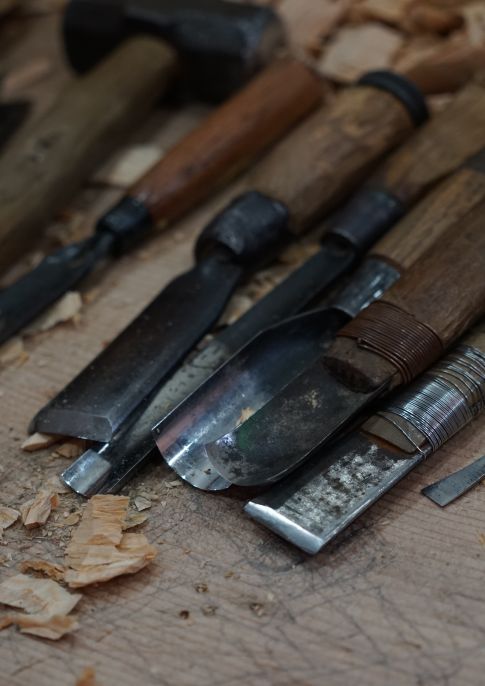
Sheffield: Crosses, Crucibles and Catastrophes - an illustrated talk
Sun 13 Sep
Mickleover Library
About the Event
Learn about the ironworking of the 11th Century to present day.
Sheffield has been a centre of ironworking from the 11th Century to the present day. Using local low-grade ironstone, timber for charcoal and local water power, it saw the production of iron blades, weaponry, and armour. Production was greatly enhanced through the invention of the crucible steel-making process in the 1740s, while the same period saw the development of ‘Sheffield Plate’, a process by which silver was fused onto copper, allowing the creation of items such as highly decorative tableware. The great expansion of industrial output, aided by steam power, saw a rapidly growing population. In addition to housing there was a need for items including places of worship, and in 1818 there was an Act of Parliament designed to promote the building of additional churches in populous parishes, enabling the creation of four of the town’s largest churches between 1825 and 1830. A catastrophe occurred in March 1864 when a dam collapsed upstream of the town, causing many deaths and severe damage to buildings, including houses, factories, and many other features of the urban area. Sheffield was raised to city status in 1893 and to this day continues as a renowned centre for the manufacture of metal ware.
Booking essential by popping into the library or phoning 01332 647884.
We think you might also enjoy...